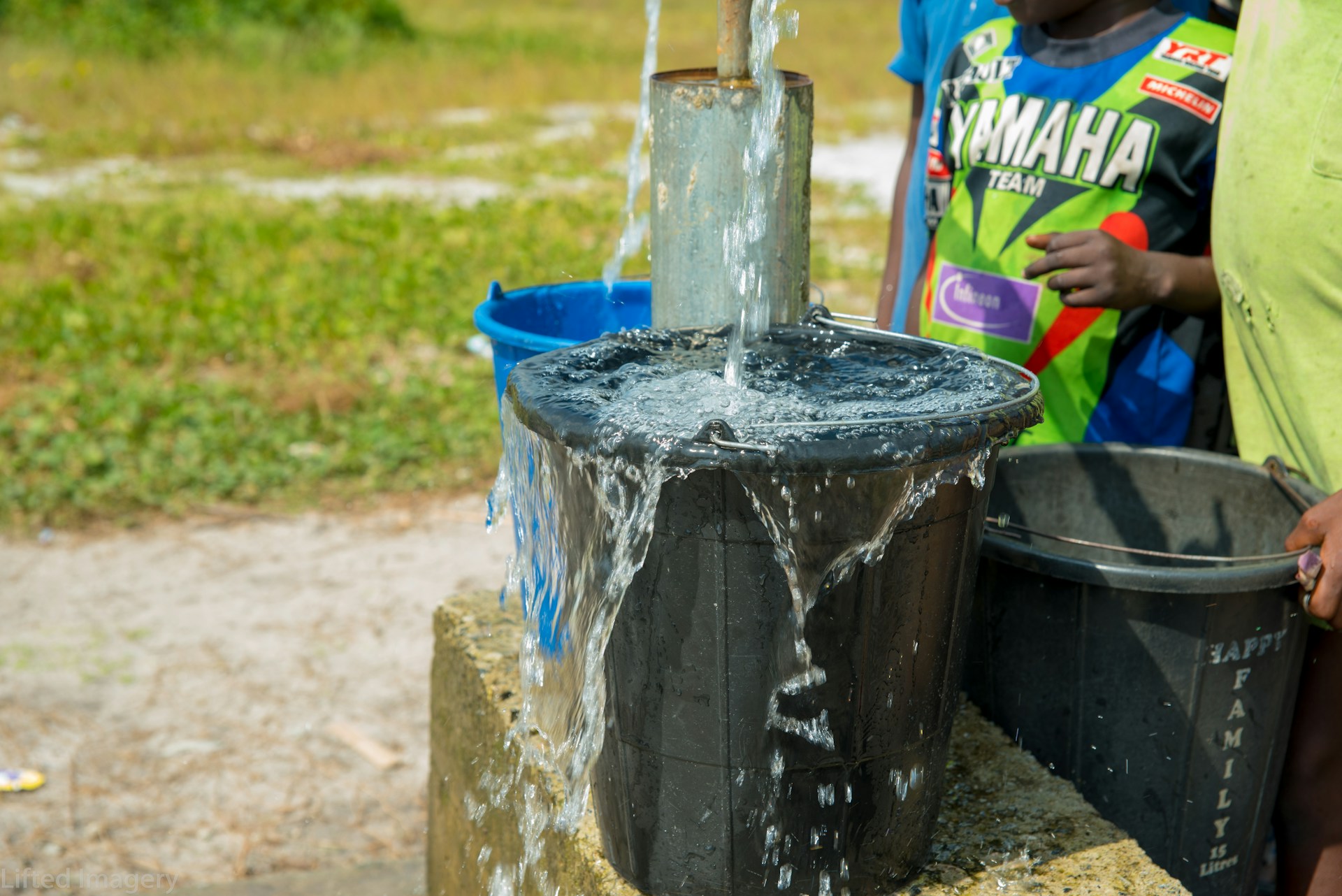
The Lagos Water PPP Initiative has moved ahead as Lagos Water Corporation seeks private investment to improve water supply across the state. The corporation said it received 23 bids across four project lots after a competitive bidding process. It also reviewed technical and financial submissions before moving toward the next stage. This step matters because Lagos has more than 20 million residents, yet the corporation can currently serve only about 35 per cent of households at full capacity. Therefore, the project aims to rehabilitate existing water assets, expand networks, and improve access to potable water in underserved communities. In addition, the plan supports the wider need for reliable urban services in one of Africa’s fastest-growing cities. For many households, better water supply would reduce dependence on private vendors, boreholes, and unsafe sources.
Lagos Water Corporation has introduced a standard 20-year concession period and a unified five per cent royalty structure. These measures can give investors clearer rules and reduce uncertainty during negotiations. Moreover, standard terms can support fairness across project lots and strengthen public confidence in the process. The corporation has also introduced a performance framework with around 10 to 11 Key Performance Indicators. These targets will help track service quality, supply hours, operational efficiency, and financial performance. The targets include 60 to 80 per cent water supply availability in the initial phase. They also include reducing Non-Revenue Water to below 25 per cent within seven to eight years. Through the Lagos Water PPP Initiative, the state wants private operators to improve both infrastructure and daily service delivery.
The project follows earlier plans to concession seven mini and micro waterworks in Lekki, Akilo, Victoria Island Annex, Magodo, Abesan, Alexander, and Apapa. Private investors will rehabilitate, upgrade, and operate these facilities under a pilot PPP model. This approach can help Lagos test private sector participation before wider expansion. However, water PPPs need strong public oversight because water remains an essential public service. Tariffs must support cost recovery, but they should also remain fair for low-income households. Therefore, Lagos will need careful tariff reviews, consumer protection, and clear service standards. In addition, foreign exchange protections and performance incentives may help attract serious investors. If the pilot succeeds, Lagos can use the model to improve more facilities and strengthen confidence in future water PPP projects.
The Lagos Water PPP Initiative could become an important example for Nigeria’s water sector. Many states face ageing assets, weak networks, high water losses, and limited public budgets. As a result, PPPs can help governments bring finance, technology, and operational skills into essential services. Still, success will depend on strong contracts, transparent bidding, and effective regulation. Lagos must also ensure service continuity during the concession period. Negotiations with preferred bidders will begin soon, with government agencies, regulators, and stakeholders expected to remain involved. If the project delivers results, it could improve public health, reduce service gaps, and support inclusive urban development.
Source: