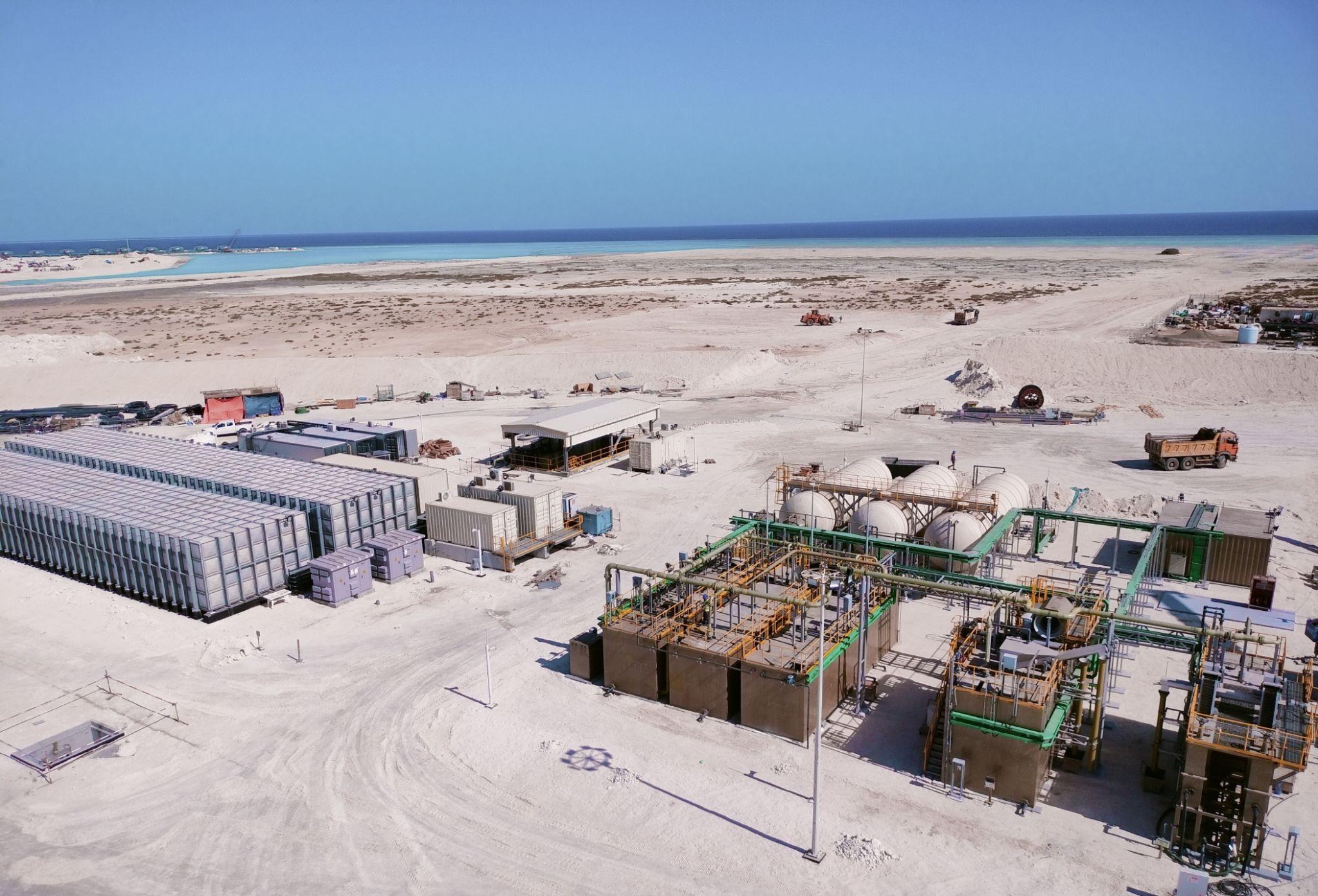
Ras Al Khaimah has taken a major step in infrastructure delivery with the signing of its first public-private partnership for wastewater services. Through the Ras Al Khaimah PPP project, the Public Services Department signed a long-term Sewage Treatment Agreement with a consortium led by TAQA Water Solutions, Etihad Water and Electricity, and Saur International. The project will deliver a modern wastewater treatment plant with capacity of 60,000 cubic metres per day. As a result, it can serve up to 300,000 residents.
Moreover, the project supports Ras Al Khaimah’s long-term vision for clean cities and reliable public services. At the same time, it responds to fast urban growth and rising tourism demand. Regional studies show wastewater reuse can reduce freshwater use by nearly 25% in expanding cities. Therefore, officials placed sustainability at the heart of this project. In addition, leaders linked the initiative to the development strategy guided by His Highness Sheikh Saud bin Saqr Al Qasimi, which focuses on quality of life, resilient infrastructure, and responsible resource management.
The project follows a Build–Own–Operate–Transfer structure. Under this model, the private partner handles design, finance, construction, operations, and maintenance. Ownership will later return to the government. Consequently, lifecycle risk moves to the private sector while public control remains strong. Across the Gulf, BOOT utility projects often last 20 to 30 years. They also attract hundreds of millions of dollars in long-term capital. As a result, governments avoid heavy upfront spending.
Meanwhile, within the Ras Al Khaimah PPP, TAQA Water Solutions will manage the full water cycle. The company will collect wastewater through a 6.3-kilometre gravity pipeline. It will also distribute recycled water through a network extending up to 26 kilometres. Importantly, the system will reuse 100% of treated water for irrigation and cooling. This approach supports the UAE Net Zero 2050 strategy and UN sustainability goals. Furthermore, officials expect higher reliability and quicker delivery. Evidence from similar PPPs shows integrated contracts can cut construction timelines by almost 20%. Therefore, Ras Al Khaimah gains both speed and performance.
Beyond wastewater, this first deal opens doors for wider private participation in essential services. Through the Ras Al Khaimah PPP project, the authorities have shown how clear governance and balanced risk sharing attract global operators. Globally, wastewater projects now account for about 12% of total water-sector PPP investment. This figure continues to rise as cities seek climate-ready infrastructure.
Looking ahead, Ras Al Khaimah plans to expand PPPs into solid waste, district cooling, and renewable energy. Each sector offers opportunities for long-term partnerships. Moreover, these models improve service quality while easing pressure on public budgets. At the same time, the reuse network supports the circular economy by turning wastewater into a valuable resource. For cities across the Middle East and Asia, this project offers a practical roadmap. Ultimately, by combining sustainability goals with private efficiency, Ras Al Khaimah has positioned itself as an emerging hub for resilient infrastructure and long-term value creation.
Source: