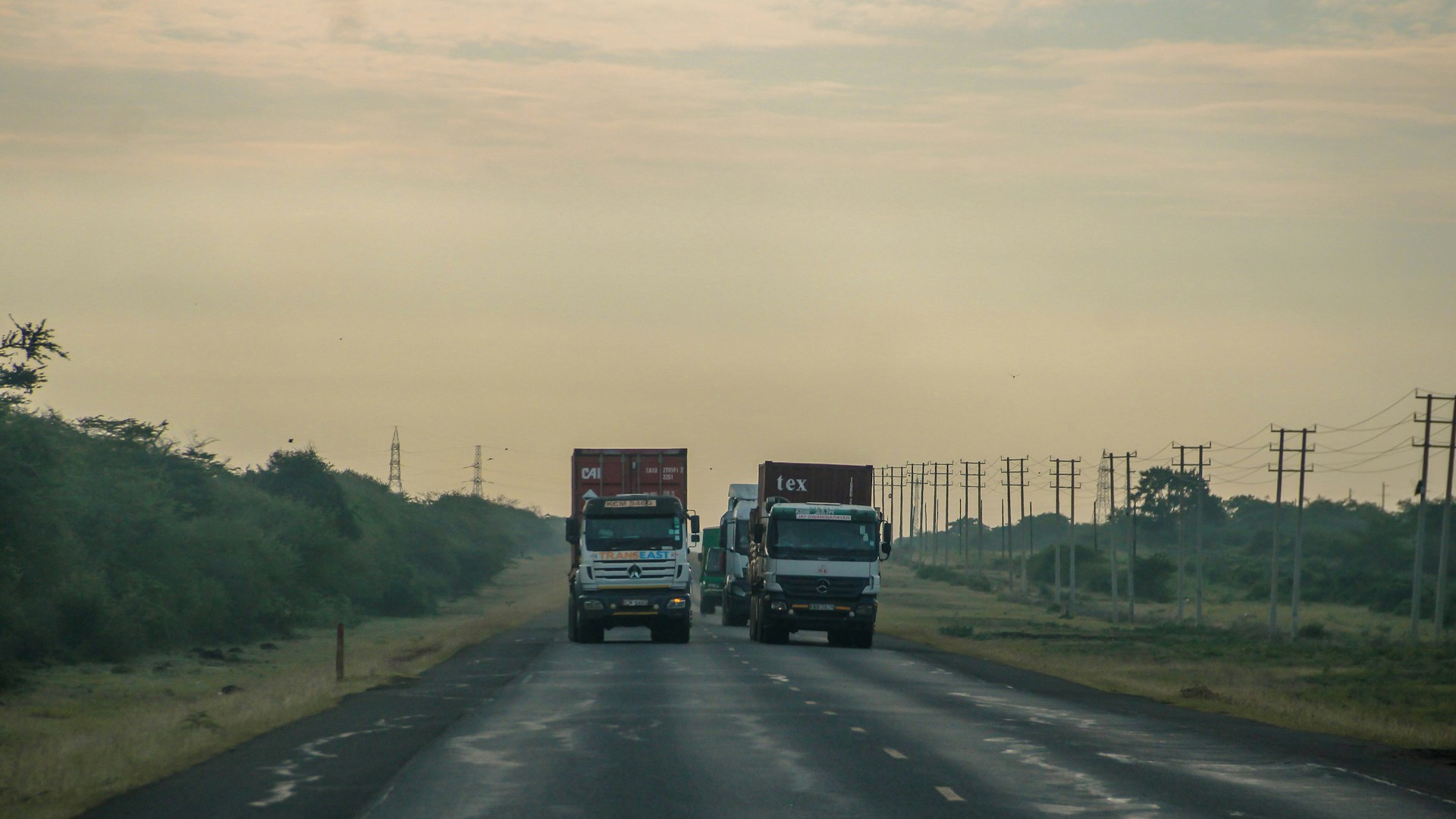
Kenya has launched a US$1.5 billion highway expansion in partnership with two leading Chinese state firms, marking a new era in the country’s transport investment strategy. The Kenya China highway project will upgrade key sections of the Mombasa–Nairobi–Western Kenya corridor, which carries more than 27 million tonnes of cargo annually. Kenya selected a blended financing approach using 75% debt and 25% equity to avoid new sovereign borrowing. Moreover, the structure supports Kenya’s goal of building infrastructure without increasing fiscal pressure. The government expects the improved corridor to reduce travel times and support regional trade with Uganda, Rwanda, and South Sudan. Additionally, the project aligns with Kenya’s broader national agenda to modernize critical roads and stimulate economic activity. China’s renewed role in Kenya highlights Nairobi’s strategy to diversify international partnerships while focusing on economic growth and long-term transport resilience.
China slowed its African lending after 2019, yet it pledged US$50 billion in credit and investments during its latest summit with African leaders. Kenya became an early beneficiary of this renewed engagement. The country ended a previous deal with France’s Vinci SA and later signed a new agreement with Beijing during President William Ruto’s state visit. This decision reflects Kenya’s plan to diversify global partners while maintaining strong ties with the United States. Furthermore, the partnership gives Kenya access to large-scale capital without adding sovereign debt. The structure of the Kenya China highway project combines private equity, commercial loans, and long-term toll revenue. Kenya sees this blended model as a practical solution in a period of tight public finances. The country continues to attract global investors because of its stable economy, expanding consumer base, and regional role. Kenya’s strategy also supports its ambition to strengthen its position as East Africa’s primary logistics hub.
The new highway will be developed in two phases. The first phase costs US$863 million and involves China Road and Bridge Corporation working with Kenya’s National Social Security Fund (NSSF). This expansion will widen 139 kilometres of road into modern four- and six-lane dual carriageways. The second phase, valued at US$678.56 million, will see Shandong Hi-Speed Road and Bridge International upgrade 94 kilometres into a six-lane highway. Both cost estimates include financing charges. NSSF will contribute 45% of the equity in its phase, giving Kenyan pension contributors a long-term economic stake. The developers will operate the road for 28 years under a toll concession to recover their investment. The blended financing model used in the Kenya China highway project mirrors global toll-road practices that reduce risk for governments. Kenya expects the expanded corridor to enhance transport efficiency, support manufacturing, and improve the competitiveness of domestic exporters.
Kenya views the upgraded corridor as central to its national development strategy. The Mombasa–Nairobi–Western region route remains the backbone of domestic and regional trade, linking farmers, manufacturers, and logistics firms to East African markets. Better highways reduce transport costs, shorten delivery times, and support industrial growth. Moreover, Kenya has been investing in related efforts, including port modernization, dry-port expansion, and improved digital cargo-tracking systems. These initiatives aim to strengthen the country’s position as a trade and logistics hub for East Africa. Additionally, Kenya’s growing urban population and expanding consumer markets continue to attract foreign investors. The government expects stronger demand for reliable transport networks as the economy grows. Kenya’s actions reflect a broader strategy to align infrastructure improvements with job creation, technological adaptation, and economic competitiveness. With rising confidence from global partners, the country remains well-positioned to advance its long-term transport modernization goals.