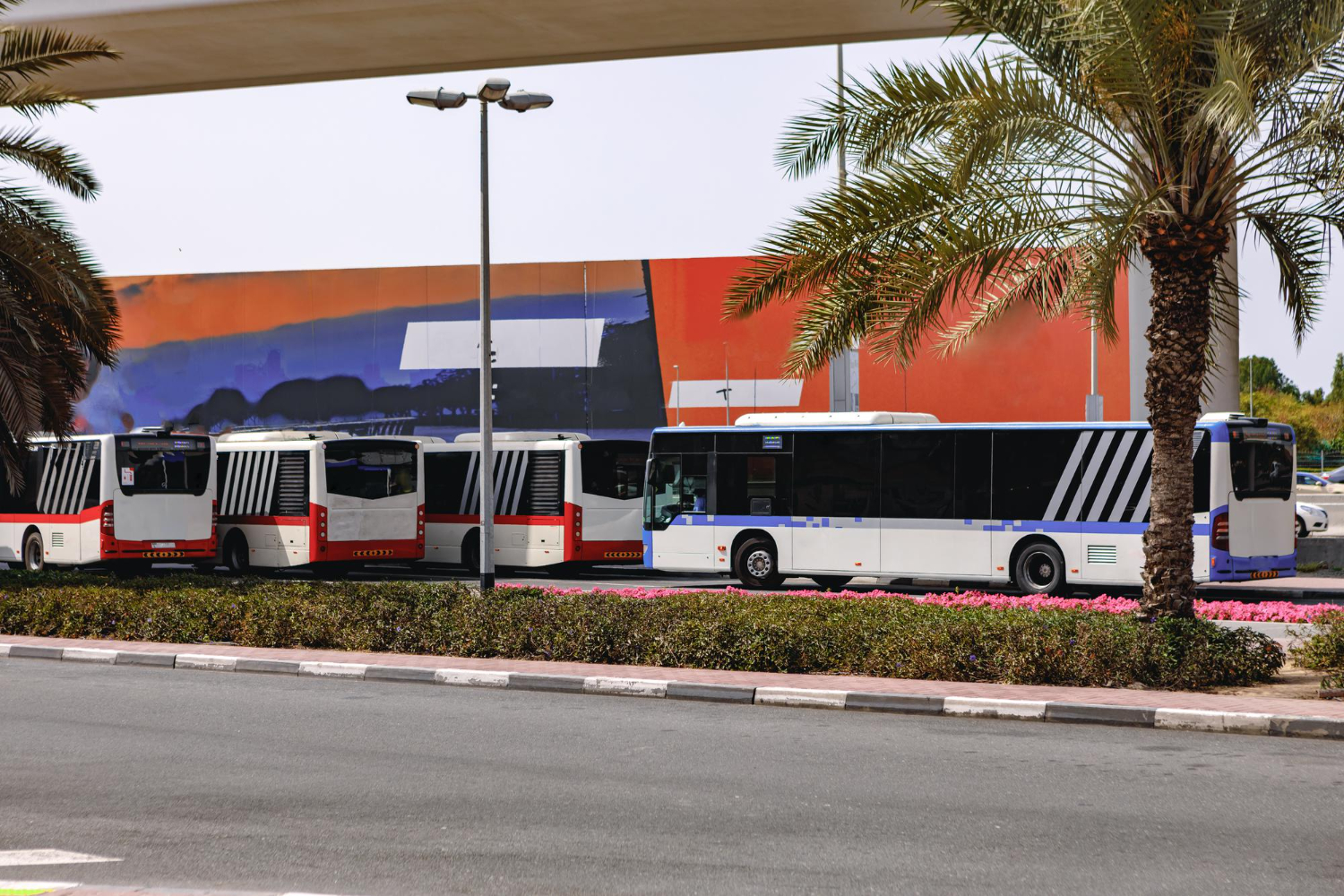
The Mozambique bus assembly plant proposal reflects the government’s growing focus on improving public transport through private sector participation. The Transport and Communications Development Fund, working under the Ministry of Transport and Logistics, has issued an expression of interest to attract an industrial partner. The project falls under the Public Passenger Transport System Improvement initiative. It responds to rising transport demand in cities such as Maputo, Beira, and Nampula. Mozambique’s urban population has grown by over 3% annually during the past decade. However, public transport supply has not kept pace. Many commuters still rely on aging minibuses and informal services. These services often lack safety and reliability. By promoting local bus assembly, the government aims to reduce import costs and shorten delivery times. The approach also supports better fleet planning. At the same time, the PPP model allows the state to limit upfront spending. This balance is important as fiscal pressures continue to rise across the transport sector.
The tender is grounded in Mozambique’s established public-private partnership framework. This framework offers greater certainty for private investors. The project follows the PPP Law, rules on Large-Scale Projects, and Business Concessions. It also applies Decree 15/2016 and Decree 79/2022, which govern public works and service contracts. These regulations allow PPPs to cover design, construction, ownership, and operation. Such coverage suits industrial projects with long-term horizons. In recent years, Mozambique has used similar frameworks to attract large investments in energy and logistics. This experience has strengthened institutional capacity. Under this structure, the selected partner for the project must align with national industrial and investment policies. The government expects technology transfer and skills development. It also seeks compliance with transport sector standards. As a result, the partnership is designed to support both mobility goals and broader economic development.
Local bus assembly can deliver tangible economic benefits. It reduces reliance on fully built imports. It also lowers foreign exchange exposure. Regional data suggests that a medium-scale assembly plant can create hundreds of direct jobs. These include maintenance, spare parts, and logistics services. Social benefits are equally important. In many Mozambican cities, daily commuting times exceed 90 minutes. Long journeys reduce productivity and limit access to services. A larger and newer fleet can improve reliability and coverage. The Mozambique bus assembly plant could help shorten travel times. It may also improve passenger safety and comfort. In addition, modern buses allow cleaner technologies. These options support emission reduction goals. Improved air quality matters in dense urban corridors. Together, these outcomes link transport reform with inclusive growth and better living standards.
Across Africa, governments increasingly rely on PPPs to address transport challenges. Many countries now use private capital to deliver buses, rail systems, and mobility services. Kenya and Egypt offer recent examples of successful bus assembly initiatives. These projects reduced costs and strengthened local industry. Mozambique’s approach follows a similar path. It reflects growing confidence in PPPs as a development tool. Importantly, the project also supports human development goals. Reliable public transport improves access to jobs and education. It also reduces household transport costs. Over time, the project may serve as a model for future transport PPPs in Southern Africa. It also reinforces Mozambique’s position as an emerging PPP market.