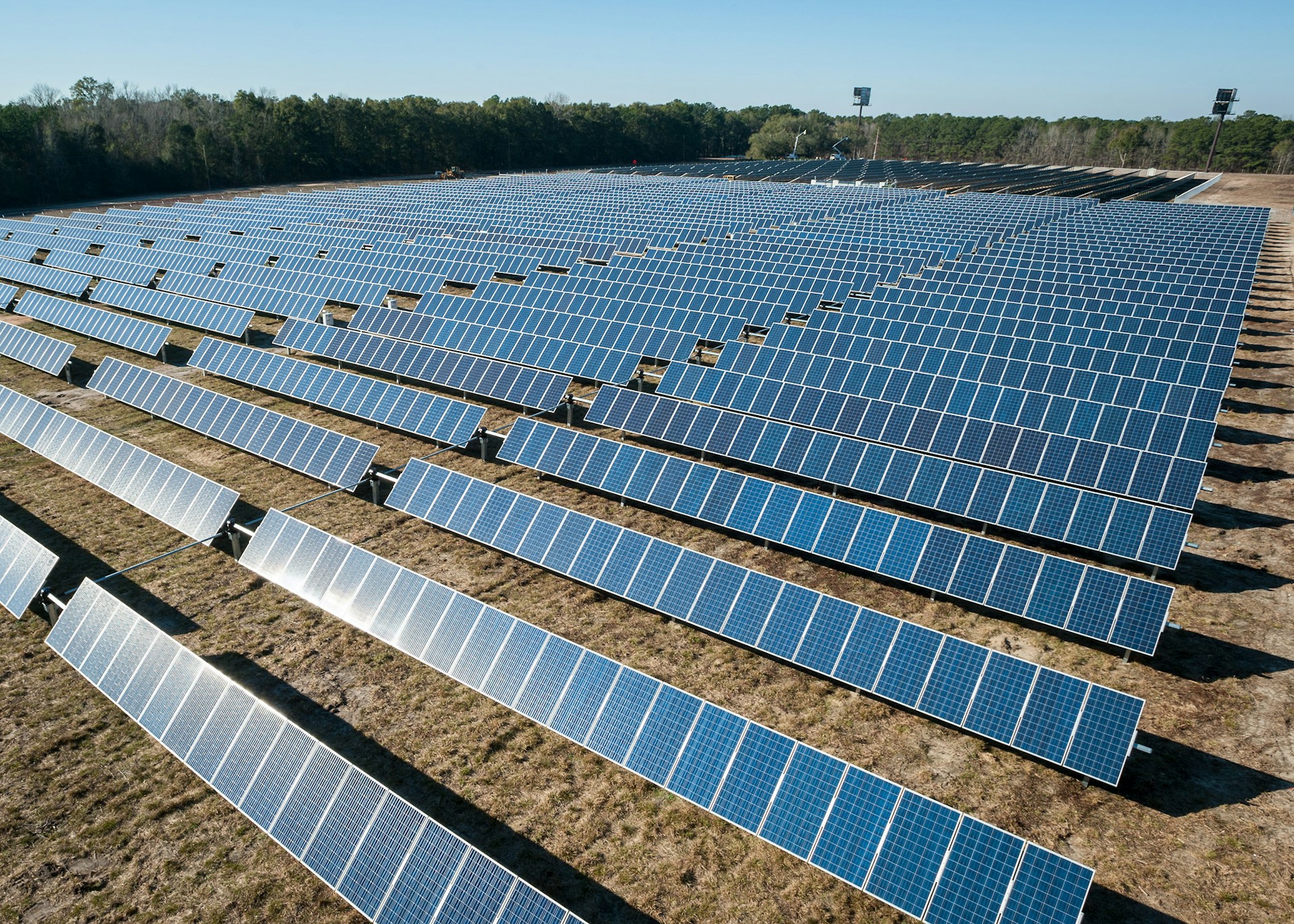
Uzbekistan Secures Masdar Investment following the financial close of a $225 million solar and battery storage project in the Kashkadarya Region. Masdar announced the milestone on January 15 during Abu Dhabi Sustainability Week, with senior officials from Uzbekistan and the UAE present. The financing supports a 300-megawatt solar power plant at Guzar, paired with a 75-megawatt-hour battery energy storage system. The project will supply electricity to the national grid and strengthen power reliability. Once operational, it will avoid more than 400,000 tonnes of carbon dioxide emissions each year. It will also generate enough electricity to meet the needs of about 60,000 homes. Uzbekistan’s electricity demand continues to grow at nearly 7% annually, driven by industrial expansion and urban growth. As a result, the government has accelerated renewable energy procurement through PPPs to meet its target of 54% renewable power generation by 2030.
International lenders played a central role in supporting the project’s PPP structure. The European Bank for Reconstruction and Development is providing up to $195.5 million in financing. This package includes concessional funds from Canada, Finland, and Japan through climate-focused cooperation facilities. The Asian Development Bank is contributing $30 million, with support from Leading Asia’s Private Infrastructure Fund 2 and the Canadian Climate & Nature Private Sector Fund in Asia. Abu Dhabi Commercial Bank arranged hedging solutions to manage currency risk over the project life. Under the PPP agreement, Masdar will design, build, and operate the facility in partnership with Uzbekistan’s national grid operator. This approach allows the government to expand capacity without heavy upfront spending. At the same time, it ensures long-term performance standards and tariff certainty. Through this structure, Uzbekistan Secures Masdar Investment while maintaining fiscal discipline and attracting long-term private capital.
Uzbekistan’s recent success in renewable energy development reflects steady improvements in its PPP framework. Over the past five years, the government introduced competitive auctions, standardized power purchase agreements, and clearer risk-sharing mechanisms. These reforms have helped attract global developers and multilateral lenders. Masdar has operated in Uzbekistan since 2021 and has now committed more than $2 billion to the market. Its portfolio includes the 100-megawatt Nur Navoi solar plant, the country’s first utility-scale solar project. In addition, Masdar recently signed an agreement to develop Uzbekistan’s largest standalone battery storage facility, with a capacity of 300 megawatts and 600 megawatt-hours. Battery storage has become increasingly important as renewable penetration increases. Through these projects, Uzbekistan Secures Masdar Investment while strengthening grid stability, improving energy security, and supporting long-term decarbonization goals.
While Uzbekistan anchors Masdar’s regional strategy, the company is expanding across Central Asia. In Kazakhstan, Masdar is developing a large wind power project in the Zhambyl Region. The project has entered the development phase after the signing of a power purchase agreement. It is expected to become the largest wind facility in the region. Beyond wind, Masdar is also working on a round-the-clock clean energy project in Kazakhstan. This initiative was announced during a high-level visit by the Crown Prince of Abu Dhabi in May 2025. Masdar signed a cooperation agreement with the Samruk Kazyna National Welfare Fund to deliver up to 500 megawatt-hours of continuous power. The project will rely on energy storage systems of up to 2,000 megawatt-hours. Together, these developments show how PPP-backed clean energy projects are reshaping Central Asia’s power sector.