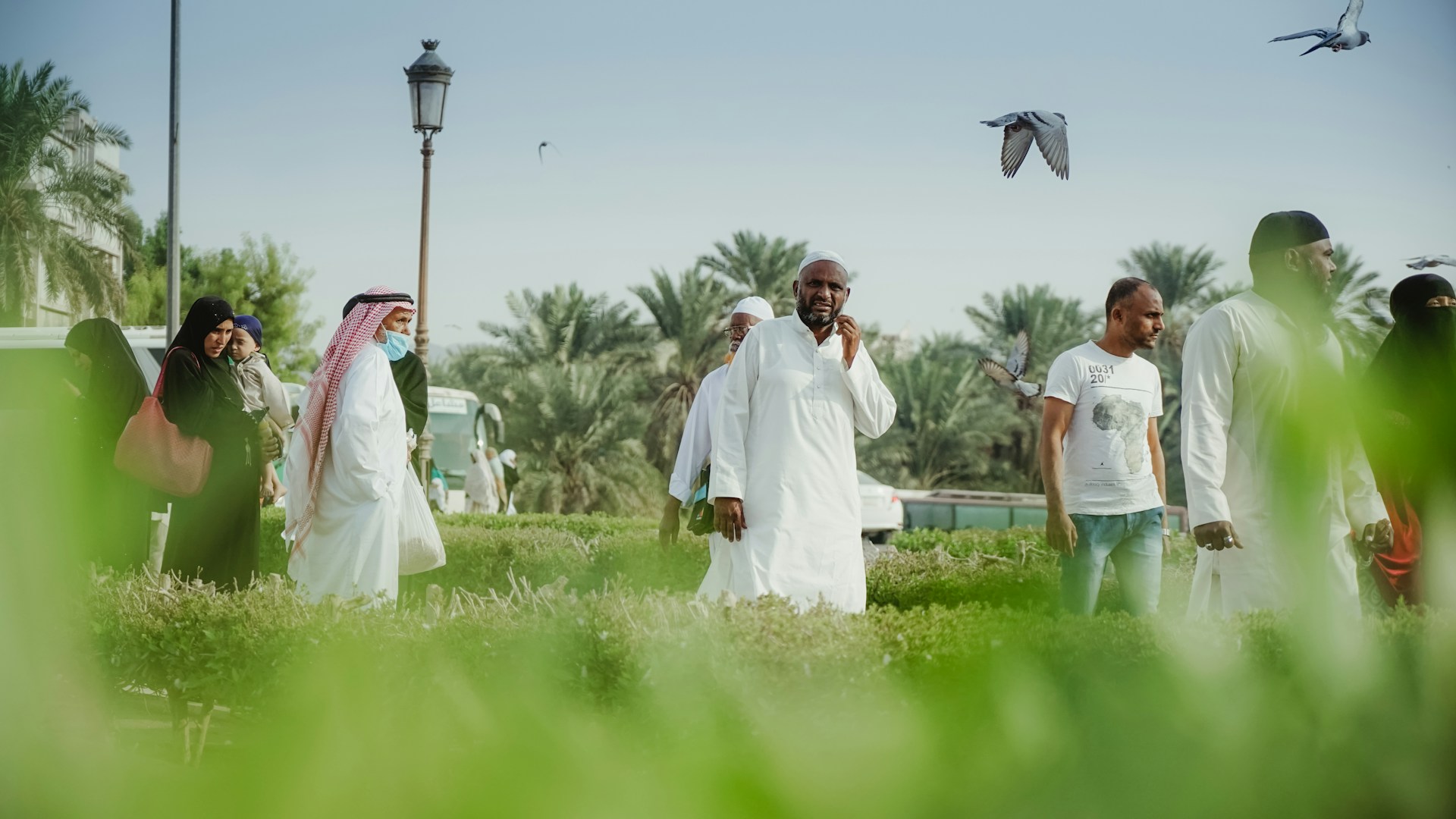
Saudi Arabia has launched the EOI and RFQ phase for the Saudi Public Parks Project, a new Public-Private Partnership opportunity covering 50 neighbourhood parks across the Eastern Province, Jeddah and Madinah. The Ministry of Municipalities and Housing and the National Center for Privatization & PPP announced that the project will follow a 15-year Rehabilitate, Operate, Maintain and Transfer contract. Through this model, the private partner will upgrade public park infrastructure, operate the facilities, maintain service quality and transfer the assets back at the end of the contract period.
The project scope includes rehabilitation of green areas, utilities, recreational zones and related public facilities. In addition, the private partner will manage landscaping, cleaning, pest control, quality assurance, equipment supply and routine maintenance. The structure also allows commercial activation, which may include suitable food, retail, leisure or community-based facilities, subject to the final project design and municipal approvals. As a result, the government can improve public services while encouraging private investment and operational efficiency. The Saudi Public Parks Project may also create a long-term revenue model for maintaining parks, rather than relying only on public budget allocations.
The project supports Saudi Vision 2030 by contributing to quality of life, better municipal services and more attractive urban spaces. Public parks are now seen as essential social infrastructure because they support recreation, outdoor activity, community engagement and environmental improvement. Furthermore, well-maintained parks can help cities become more liveable by improving green coverage, reducing visual pollution and encouraging healthier lifestyles. The inclusion of 50 parks across three important regions also gives the project a wider social and economic impact. For investors, the opportunity may attract companies with experience in facilities management, landscaping, leisure operations and place-making. Meanwhile, for municipalities, the PPP model offers a practical way to upgrade services without placing the full burden on public funding. This makes the project relevant for other countries seeking private sector participation in urban sustainability.
The Saudi Public Parks Project sends a clear message that Saudi Arabia is using PPPs to modernise municipal assets and improve everyday public services. Bidders will need to assess demand, operating costs, climate conditions, maintenance requirements and commercial revenue potential before submitting qualifications. Nevertheless, the project could become a useful model for future neighbourhood-level PPPs in parks, public spaces, sports facilities and urban amenities. If implemented well, it can improve residents’ quality of life, support private sector participation and strengthen Saudi Arabia’s urban sustainability agenda. More importantly, it reflects a growing global trend in which governments use PPPs not only for hard infrastructure, but also for liveable, inclusive and greener cities.
Source: