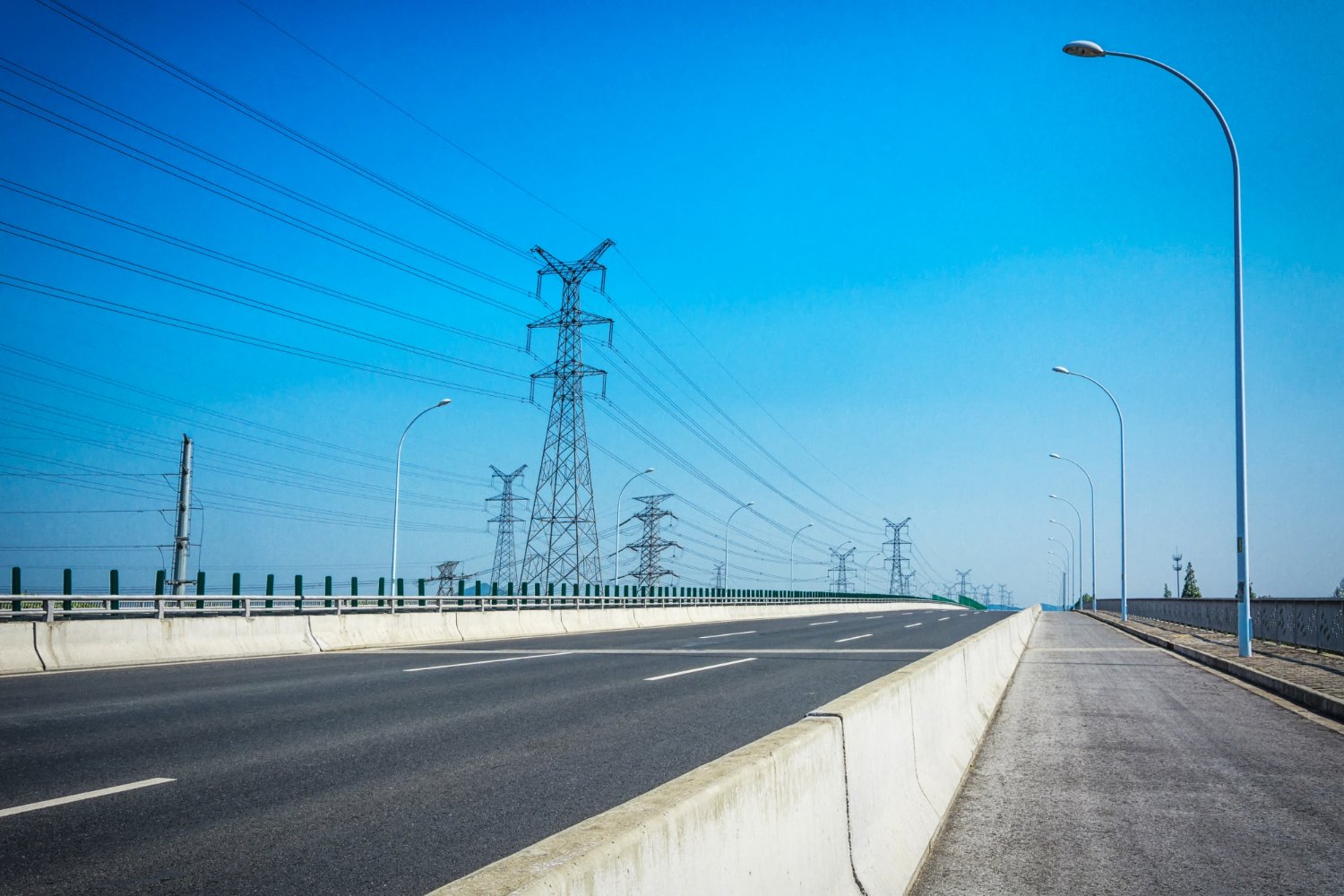
Pakistan has approved the M-6 Motorway PPP plan for two sections of the Hyderabad–Sukkur Motorway in Sindh. The Public Private Partnership Authority (P3A) approved the 121-kilometre project on 18 November 2026. The government plans to procure both sections through separate 25-year toll concessions, with viability gap funding for Section I.
The P3A Board granted the approval during its 46th meeting in Islamabad. Muhammad Ali, Adviser to the Prime Minister on Privatisation and Chairman of the Privatisation Commission, chaired the meeting.
Private investors will develop, finance, operate and maintain the motorway sections. They will recover their investments through toll revenues during the concession period.
At the end of the 25-year term, the concessionaires must transfer the motorway assets to the National Highway Authority (NHA) in good working condition.
M-6 Motorway PPP: Separate Concessions and Viability Gap Funding
The government will procure Sections I and II through separate concession agreements. These sections connect Hyderabad with Nawabshah through Tando Adam.
The government will provide viability gap funding (VGF) for Section I only. This support aims to improve commercial viability while maintaining affordable toll rates.
Both concessions will allow private investors to recover their investments through toll collections. The government will also receive a share of project revenues during the concession period.
The PPP arrangements place responsibility for repair and maintenance on the private operators throughout their respective concession terms.
The official announcement did not specify the individual concession values, the VGF amount or the detailed revenue-sharing arrangements.
Asian Development Bank to Support Competitive Procurement
The Asian Development Bank (ADB) serves as transaction adviser to NHA for both motorway sections.
NHA and ADB entered into a transaction advisory agreement in April 2026. The agreement covers project preparation, transaction structuring and competitive procurement.
ADB will support technical, commercial and legal assessments. Its advisory responsibilities include preparing bidding documents, evaluating proposals and assisting with negotiations.
The bank’s Asia Pacific Project Preparation Facility (AP3F) also supports project preparation and monitoring activities.
Following P3A approval, NHA will invite bids from qualified domestic and international investors.
The competitive procurement process will determine the private concessionaires for the two motorway sections.
Hybrid Financing Model for the 306km M-6 Motorway
The Hyderabad–Sukkur M-6 Motorway forms part of Pakistan’s north–south transport corridor.
The planned motorway will extend approximately 306 kilometres and feature six lanes with controlled access.
The government has divided the corridor into five sections. It plans to develop the first two sections through PPP concessions.
Sovereign financing will support the remaining three sections between Nawabshah and Sukkur. The OPEC Fund for International Development and the Islamic Development Bank are supporting these sections through loans.
The financing arrangement combines private investment with sovereign borrowing across the motorway corridor.
ADB describes this hybrid approach as a model that allows PPP delivery for commercially viable sections while using sovereign financing for less viable sections.
Motorway to Improve Connectivity and Freight Movement
The M-6 Motorway will provide an alternative to the existing N-5 National Highway between Hyderabad and Sukkur.
The N-5 currently carries passenger and freight traffic through several towns and populated areas. Heavy commercial vehicles share these congested stretches with local traffic, creating transport and road-safety challenges.
Once complete, the M-6 is expected to reduce travel time between Hyderabad and Sukkur from approximately six hours to three hours.
The motorway will also improve freight connectivity between Karachi’s ports, industrial centres, agricultural regions and markets in northern Pakistan.
Government officials expect the corridor to reduce logistics costs and support commercial activity across interior Sindh.
PPP Financing Structure and Investor Interest
The approval advances Pakistan’s plans to attract private investment into major transport infrastructure.
The decision to procure two separate toll concessions, with VGF limited to Section I, establishes different public financing arrangements for the motorway sections.
The M-6 Motorway PPP will combine toll-based private investment with government financial support and public-sector revenue participation.
The forthcoming bidding process will establish the detailed commercial terms and provide an indication of investor interest in Pakistan’s toll-road PPP market.
Next Steps
Following P3A Board approval, NHA will proceed with competitive procurement for both motorway sections, with ADB providing transaction advisory support.
NHA will invite bids from qualified domestic and international investors. The process will lead to the selection of concessionaires and execution of separate concession agreements.
The government’s announcement did not specify the bidding deadline or expected concession award dates.