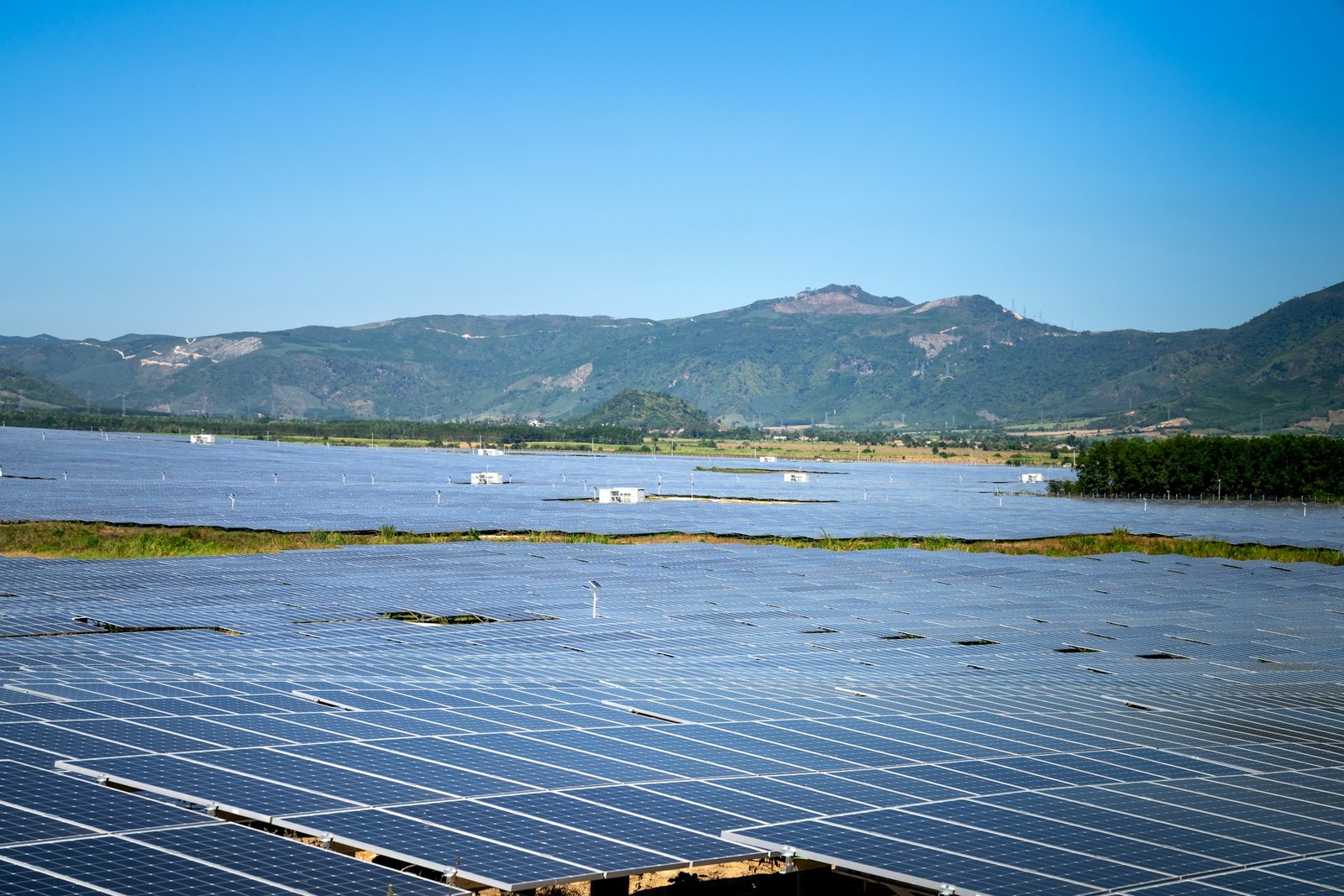
Rwanda’s Energy Development Corporation Limited (EDCL) has invited independent power producers (IPPs) to prequalify for the Rwanda floating solar concession on Lake Sake. The proposed project combines a 200-megawatt floating solar power plant with an 800-megawatt-hour (MWh) battery energy storage system and associated transmission infrastructure.
The facility will be located in Ngoma District, Eastern Province. Interested developers must submit their prequalification applications by 12 November 2026.
EDCL issued the official procurement notice on 12 October 2026. The project remains at an early selection stage. EDCL has not selected a private developer, signed a power purchase agreement or announced financial close.
EDCL, a subsidiary of Rwanda Energy Group (REG), plans to procure the project under Rwanda’s public-private partnership guidelines dated 16 July 2018. The proposed arrangement follows an independent power producer model with a 25-year power purchase agreement (PPA).
Energy Utility Corporation Limited (EUCL), another REG subsidiary, will act as the electricity offtaker. Under the proposed arrangement, the private developer will arrange financing and undertake the design, construction, operation and maintenance of the facility.
The project includes floating photovoltaic panels, anchoring systems, battery storage equipment, substations and transmission infrastructure. Additionally, the developer will connect the facility to a nearby 220 kV transmission line.
EDCL envisages an 18-month implementation period covering design, installation, testing and commissioning. However, the procurement documents do not confirm a construction commencement date.
The project combines solar generation with a battery energy storage system rated at 200 MW/800 MWh. The battery will provide four hours of storage at its nominal power rating. This arrangement could help Rwanda shift daytime solar generation to evening demand periods.
Furthermore, the storage system aims to reduce solar energy curtailment and support grid frequency and voltage regulation. The technology could improve electricity network flexibility. However, actual performance will depend on final technical specifications and operating conditions.
For the Rwanda floating solar concession, EDCL requires prospective developers to demonstrate at least 10 years of renewable energy experience. Applicants must also show an average annual turnover of US$300 million during 2023–2025.
Companies may apply individually or through joint ventures or consortia with up to two members. EDCL will also assess previous solar and battery projects and applicants’ financial capacity. The prequalification deadline is 12 November 2026.
From an investment perspective, the proposed 25-year PPA could provide a framework for long-term electricity revenues. Nevertheless, the project’s bankability will depend on the final commercial and contractual arrangements.
Key considerations include the public offtaker’s creditworthiness, tariff structure, payment security and foreign-exchange risks. Additionally, lenders will examine the allocation of construction delays, operating risks and compensation for electricity curtailment.
Battery storage introduces further financial considerations. Developers must account for battery degradation, replacement costs and long-term performance obligations. These factors could influence financing costs and the electricity tariff.
Developers must assess lake depth, seasonal water levels, anchoring requirements, corrosion and maintenance access. Environmental assessments will also need to consider aquatic ecosystems, water quality and existing lake activities.
Moreover, community consultations should address fishing activities, local livelihoods and potential restrictions on lake access. These considerations will influence project design, environmental approvals and long-term operat
The project could expand Rwanda’s renewable electricity generation while introducing large-scale battery storage into its power infrastructure. However, commercial viability will depend on the final PPA, technical feasibility, financing arrangements and allocation of project risks.