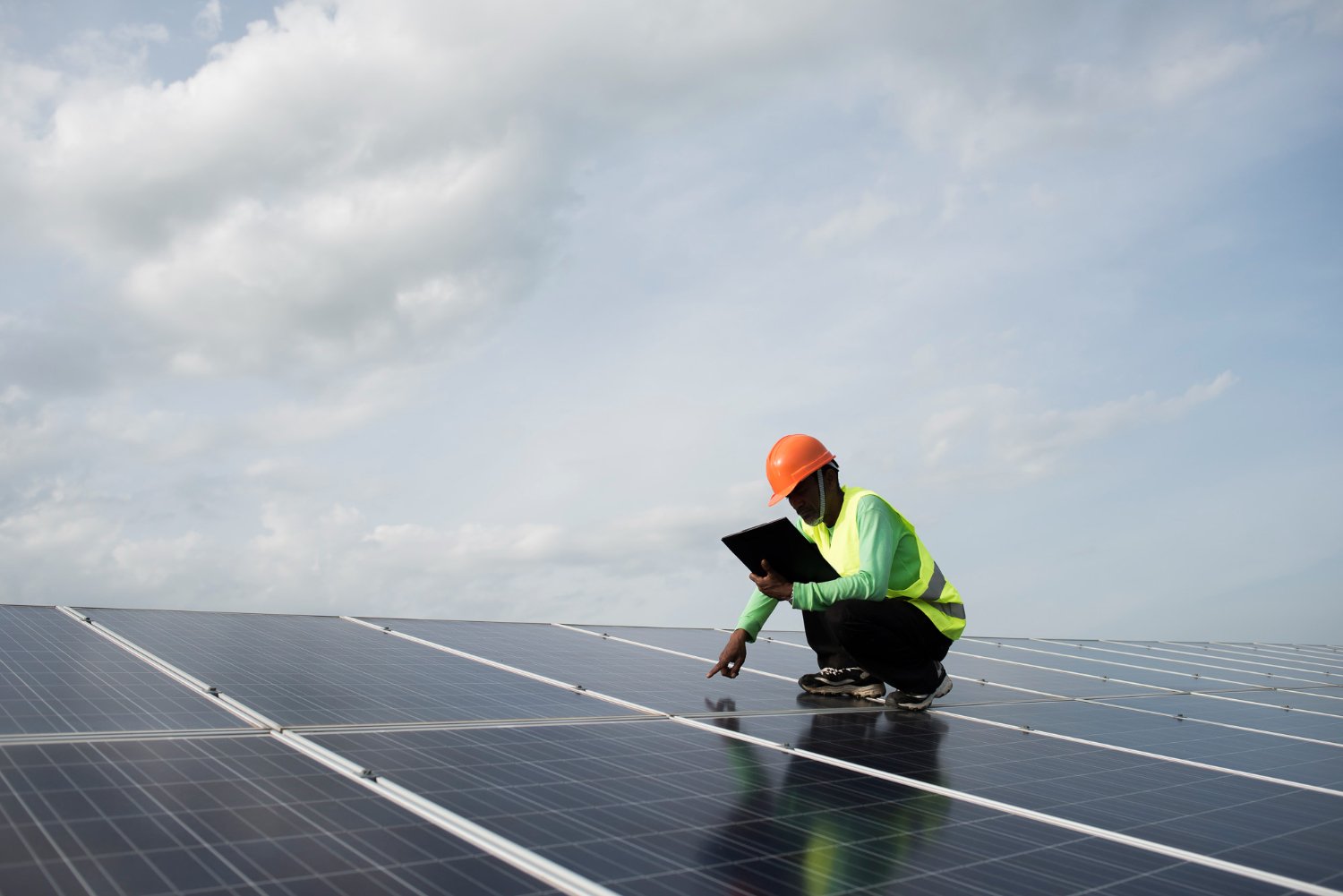
Niger has taken a major step toward strengthening its domestic electricity supply through a new public-private partnership. The agreement covers a 200 MW solar photovoltaic plant with battery storage in Niamey. The Niger solar PPP project will operate under a 20-year Build-Operate-Transfer concession. Energy Minister Prof. Haoua Amadou and NEPP head Adamou Amadou Daouda signed the agreement on August 20, 2026. Niger Electricity Power Production will develop the project. Meanwhile, the investment totals CFA 126.1 billion, or about $205 million. Under the BOT structure, NEPP will finance, build and operate the plant. At the end of the concession, it will transfer the facility to the Nigerien state. The project has an expected development period of about 24 months. Initially, NEPP will conduct further technical studies and mobilise resources. After commissioning, the plant will sell electricity to state utility NIGELEC. The agreed tariff stands at CFA 35 per kWh. Therefore, the long-term arrangement gives the project a defined electricity offtake framework.
Battery storage will add an important layer of flexibility to the 200 MW solar plant. It can store electricity during periods of strong solar generation. The system can then supply power when sunlight falls or electricity demand rises. As a result, the facility could support a more stable power supply in Niamey. It may also reduce pressure during periods of high evening demand. Moreover, storage gives the project a wider role than daytime solar generation alone. Niger continues to face significant electricity access challenges. World Bank data put national electricity access at 20.1% in 2023. The country also imports electricity from neighbouring Nigeria. In 2024, those imports reached about 335 million kWh and cost roughly $31.5 million. Therefore, additional domestic generation could strengthen Niger’s energy security. It could also reduce exposure to external supply disruptions. In addition, Niger expects the development to create around 1,300 direct and indirect jobs. Local workers may also gain technical skills during construction and operation.
The Niger solar PPP project supports the country’s wider renewable energy strategy. Niger aims to increase renewables from a 5% baseline to 30% of national electricity generation by 2030. The renewable share reached 7.64% in 2025. Meanwhile, the government aims to provide electricity access to 60% of the population by 2030. Meeting that target will require more than two million additional household connections. Consequently, private capital will play an important role in expanding the country’s power sector. Niger’s National Energy Compact targets about $527 million in private capital by 2030. Of this amount, $435 million is targeted for renewable energy generation projects. Another $92 million is targeted for solar kit access. Therefore, the new BOT agreement could support Niger’s efforts to attract more private capital into the power sector. In addition, it combines large-scale solar generation, battery storage and long-term private operation. Successful delivery could also encourage further investment in Niger’s renewable energy pipeline.
For Niger’s PPP market, the agreement could have importance beyond one solar facility. Niger’s energy regulator, ARSE (Autorité de Régulation du Secteur de l’Énergie), reviewed the 200 MW NEPP project during its development process. It also reviewed the proposed 250 MW Tarka wind project involving Savannah Energy. Together, these developments point to a growing role for private investment in Niger’s renewable energy sector. The Niger solar PPP project therefore forms part of a wider pipeline of energy partnerships. If completed as planned, it could strengthen domestic generation and improve grid reliability. The BOT structure may also offer a reference point for future renewable energy PPPs in Niger and the wider Sahel region.