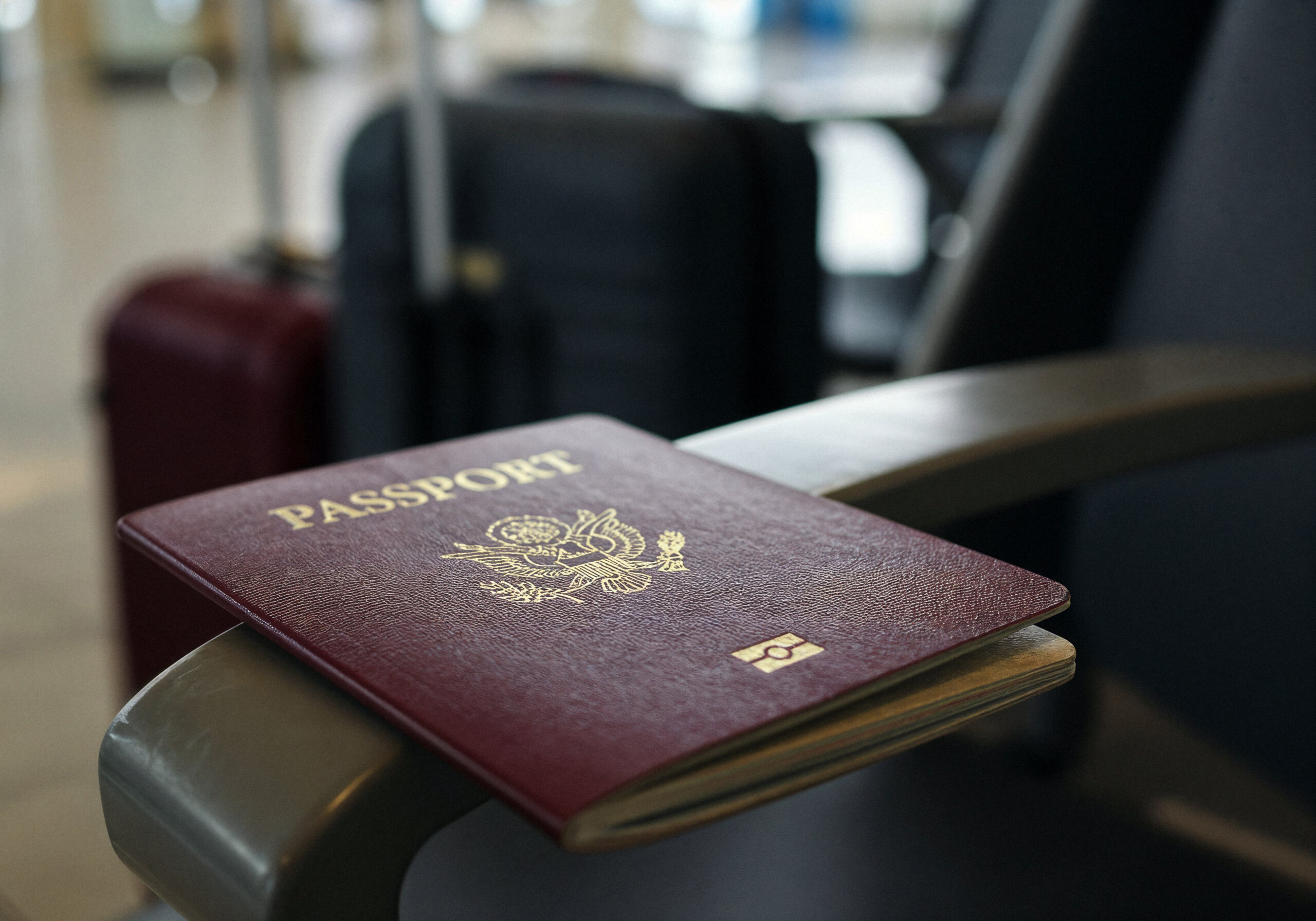
Armenia will issue new biometric passports and identity cards from autumn 2026. Prime Minister Nikol Pashinyan confirmed the timetable during a meeting with Interior Minister Arpine Sargsyan. He said the project has entered its final implementation stage. The Armenia biometric passport system will meet International Civil Aviation Organization standards. These standards set global rules for travel-document security and machine readability. They also support the safe use of biometric information. The government expects the reform to improve document reliability. It also aims to make travel easier for citizens. New passports will carry advanced protective features. These include ultraviolet layers and other security components. The programme will support more secure identity verification at home and abroad.
The reform extends beyond the passport booklet and identity card. Armenia also plans to introduce automatic, contactless crossing systems at border checkpoints. These systems should speed up passenger processing. They may also reduce queues at busy points. Consequently, citizens could experience smoother travel through airports and land borders. Biometric passports use personal physical data to confirm identity. Facial images and fingerprints are common examples. This technology can reduce impersonation and document misuse. The project also supports Armenia’s visa-liberalisation dialogue with the European Union. Secure documents remain important in that process. Moreover, the new system may help Armenia align with wider European travel practices. Officials expect stronger verification tools to benefit frequent travellers and businesses. However, reliable infrastructure will remain essential during the rollout.
The document design gives the new passport a distinct national character. It includes Armenia’s outline map and the Armenian alphabet created by Mesrop Mashtots. It also presents the first Armenian sentence. The pages feature Hayk Nahapet and ancient petroglyphs from Geghama Mountains and Ukhtasar. They also show the cuneiform inscription linked to Yerevan’s foundation. The restored Erebuni fortress appears in the design as well. Furthermore, boundary stones from the Artaxerxes period highlight Armenia’s legal and state traditions. The passport includes the Mother See of Holy Etchmiadzin. This image recalls Armenia’s adoption of Christianity as a state religion in 301. Modern institutions also appear across the document. These include the Presidential Residence, Government Building and National Assembly. Armenia’s 10 regions receive visual representation through cultural sites and natural landmarks.
The Armenia biometric passport system offers a notable public-private partnership example. The Ministry of Internal Affairs remains responsible for policy, security and administrative oversight. Private-sector partners can provide technical systems and specialist operational capability. This arrangement can help deliver complex identity infrastructure more efficiently. Biometric programmes require secure databases, encryption, specialised equipment and document-personalisation facilities. Therefore, governments often need experienced technology partners. Armenia’s new Law on identity documents provides a framework for this involvement. The law permits private-partner participation in defined delivery functions. However, the state retains control over core public decisions. This distinction is crucial for data governance and public trust. For PPP professionals, the model shows how a government can combine technical expertise with strong institutional safeguards.
The autumn launch will test Armenia’s ability to deliver secure identity services at scale. Authorities must clearly explain application procedures, fees and validity periods. They must also address personal-data protection concerns. Service centres should remain accessible beyond Yerevan. In addition, digital platforms must operate reliably from day one. The legal timetable adds urgency, as the new identity-document framework must take effect no later than 1 November 2026.
Source: