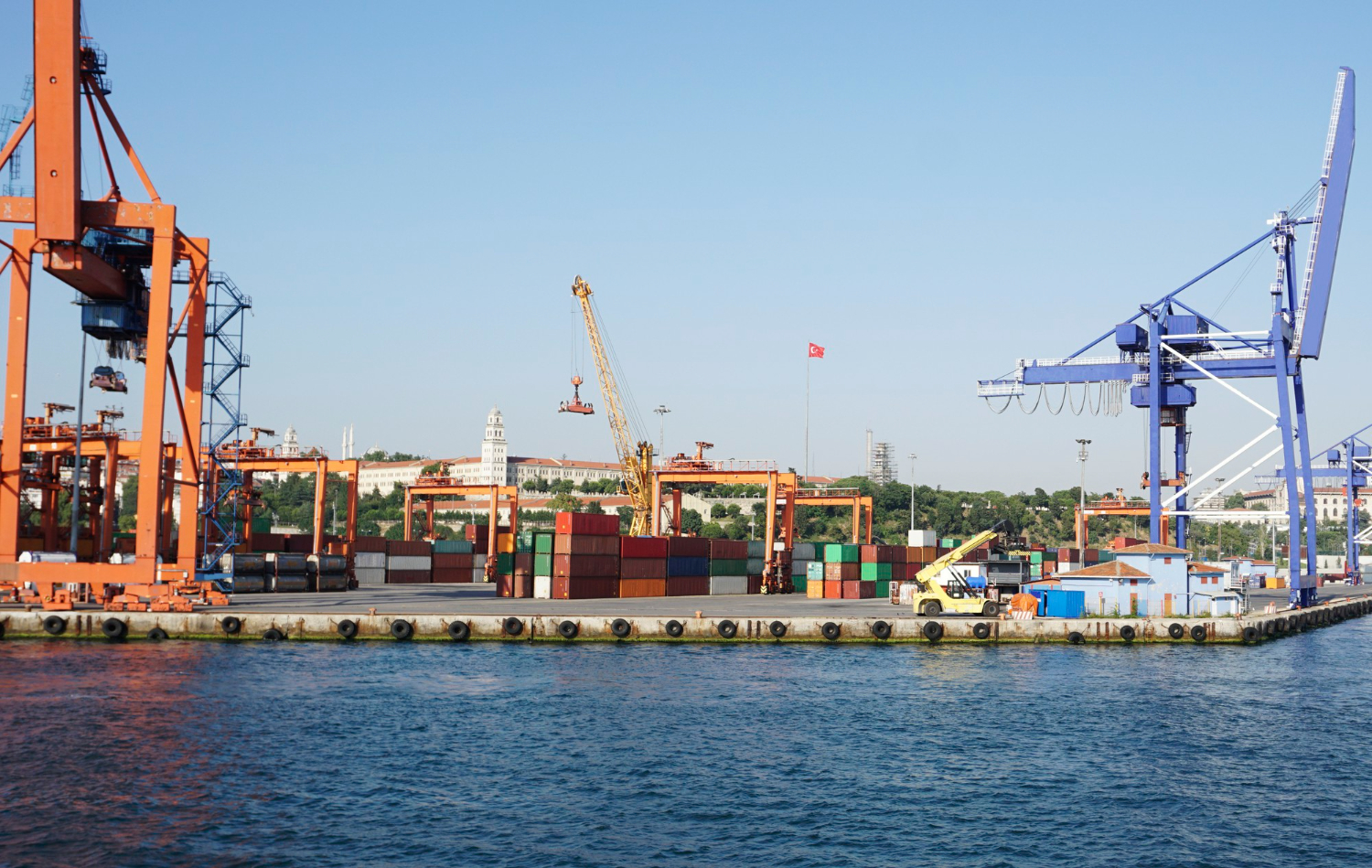
Kamarajar Port Limited has invited bids for its second container terminal. The US$448 million project will expand India’s east-coast port infrastructure. The Kamarajar Port container terminal will use a Design, Build, Finance, Operate and Transfer structure. Under this model, the selected private partner will fund, build and operate the terminal. It will transfer the terminal back to KPL after 40 years. KPL issued the RFQ-cum-RFP on 21 August 2026. The port has set 30 October 2026 as the bid deadline. It will hold a pre-bid meeting on 18 September. The project supports the Maritime Amrit Kaal Vision 2047. It also responds to rising export-import and transhipment demand. KPL handled 49.08 million tonnes of cargo in FY 2025-26. Its nine berths have a combined capacity of 58.44 million tonnes. Therefore, the tender marks an important move towards future capacity creation and cargo diversification.
The terminal will offer annual capacity of 2 million twenty-foot equivalent units. KPL will develop the facility in two phases. Phase I will cost an estimated US$254 million. It will provide capacity of 1.1 million TEUs each year. Phase II will cost about US$194 million. It will add a further 0.9 million TEUs. Together, both phases will create a 900-metre continuous quay. The first phase includes 500 metres of quay length. The second phase adds the remaining 400 metres. The terminal will handle ultra-large container carriers of up to 24,346 TEUs. It will accommodate vessels with a maximum length overall of 400 metres. In addition, the concessionaire will build pile berths, stack yards and internal roads. The scope also includes utility networks, offices and a customs gate complex. KPL will provide the land on an as-is-where-is basis. However, bidders must assess site conditions and construction risks carefully.
KPL already operates through several public-private partnership structures. Its first common-user container terminal is run by Adani Ennore Container Terminal Private Limited. That terminal operates under a PPP concession. It has a design capacity of around 1.4 million TEUs each year. The second Kamarajar Port container terminal can create more choice for shipping lines and cargo owners. It can also ease pressure during peak traffic periods. KPL has diversified its facilities beyond container handling. These include coal, liquid cargo, LNG, automobiles, project cargo and bulk cargo. Furthermore, the port connects to NH16, NH32 and NH48. Rail access is available through Attipattu and Attipattu Pudunagar stations. These connections will influence the project’s eventual success. Capacity at the quay alone will not reduce logistics costs. Efficient rail evacuation and road movement will remain essential. Equally, customs processing and cargo-yard management must keep pace. Better connections could support exporters in Tamil Nadu and nearby industrial regions.
The tender offers a major long-term opportunity for port developers and investors. DBFOT concessions allow public authorities to retain control of strategic port land. Meanwhile, private partners bring capital and operating expertise. The Kamarajar Port container terminal project uses phased development to manage demand uncertainty. This can limit the risk of creating unused capacity too early. Nevertheless, bidders will examine cargo forecasts closely. They will also assess competition from nearby ports and terminals. India’s port PPP programme needs concessions that remain bankable through changing market conditions. At the same time, public authorities must protect service standards and asset quality. If the procurement stays on track, KPL could award the concession in early 2027. Construction could then begin later that year.