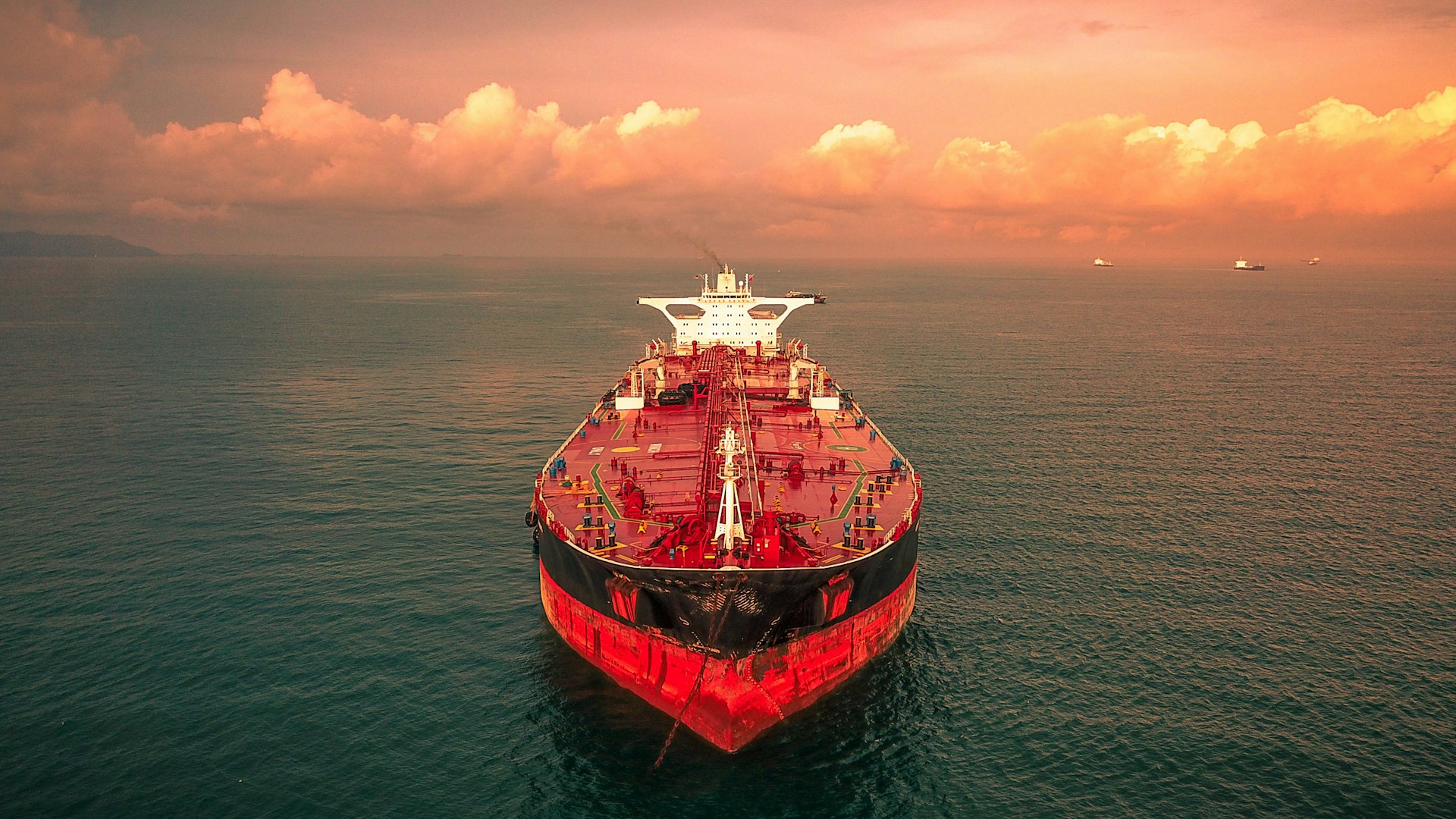
The Samsung Heavy FLNG contract marks a major achievement for South Korea’s shipbuilding and energy industries. Samsung Heavy Industries has secured a major order for a floating liquefied natural gas facility in Louisiana, United States. The EPC contract is valued at around $2.8 billion, while the wider project is estimated at nearly $4.8 billion. The facility will be built over about five years and may operate for almost 25 years after completion. It will produce, store and offload LNG from offshore gas resources. Moreover, the deal shows how Korea is moving beyond simple construction work. It combines public investment, private capital, advanced engineering and long-term energy infrastructure. For Korea, this project also opens a stronger path into the U.S. energy market.
Korean public institutions played an important role in helping the project move forward. Korea Overseas Infrastructure & Urban Development Corporation, the Green Fund and Korea Ocean Business Corporation reportedly joined the financing structure. Their combined investment is about $150 million. This support helped Korean companies compete in a difficult international market. In addition, the project is backed by a fund managed by BlackRock and other overseas investors. The project company has also secured key U.S. approvals for FLNG business and LNG exports. As a result, the Samsung Heavy FLNG contract is not only a shipbuilding order. It is also an investment-development project, where financing, construction and future operations are connected from the beginning.
The project also carries important lessons for PPP in energy infrastructure. Although it is not a traditional government concession, it follows a PPP-style approach. Public institutions supported the investment side, while private developers, financiers and contractors handled project development and delivery. This model can help large energy projects reach financial close when risks are high. Furthermore, the project may benefit Korean small and medium-sized companies. Many local suppliers could provide equipment, technology and specialist services for the FLNG facility.
The deal comes at a time when energy security has become a major policy concern. LNG supply routes, shipping risks and global supply chain pressure are now central issues for many governments. Recent tensions around key maritime routes, including the Strait of Hormuz, have increased these concerns. Therefore, Korea’s role in U.S. LNG infrastructure may support long-term supply diversification. It also gives Korean firms stronger links with North American energy markets. At the same time, the project may create new partnerships with global developers in LNG, offshore plants and clean engineering technologies.